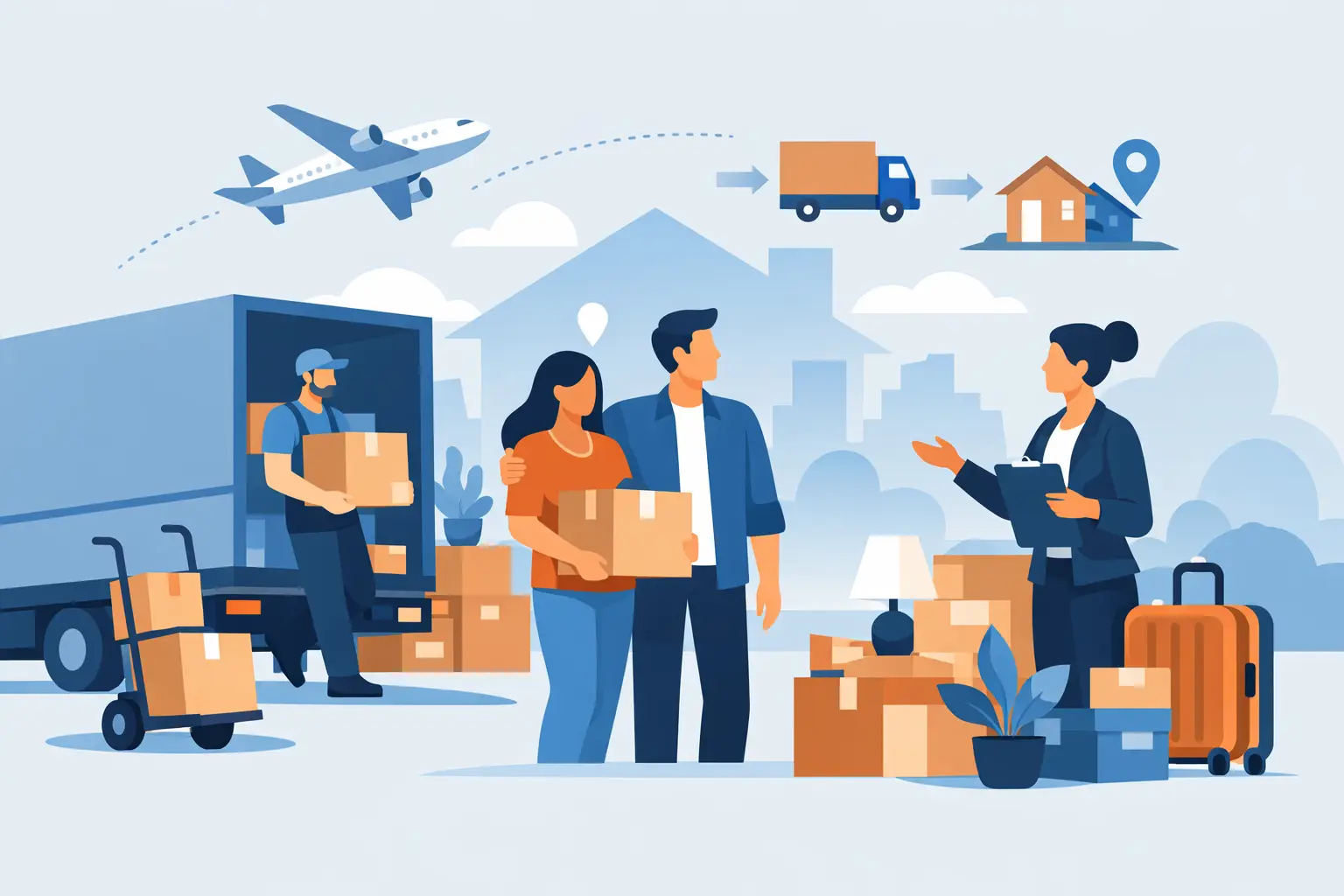
A move usually starts with one simple thought – we have too much stuff and not enough time. That is exactly where good moving and relocation assistance makes a real difference. It should reduce pressure, not add more logistics, more driving, and more chances to damage what you own.
For many households and small businesses, the hardest part is not the destination. It is the gap between where things are now and when the next space is actually ready. Closing dates shift. Renovations run long. Staging a home means clearing rooms fast. A business may need inventory or equipment out of the way without losing access to it. In those situations, the usual plan of renting a truck, rushing to load it, unloading into a storage unit, then loading everything again later is where stress and extra cost start piling up.
What moving and relocation assistance should actually do
Real moving help is not just about transportation. It is about giving you control over timing, access, and effort. If you are forced into a single moving day, a narrow pickup window, or repeated loading and unloading, the process is working for the provider, not for you.
The better approach is simpler. Your storage comes to you. You load at ground level, on your own schedule, and keep the unit on-site or have it picked up and stored until you are ready. That one change solves a surprising number of common moving problems.
It saves the truck rental, which means no scrambling for return deadlines or driving a vehicle you do not want to handle. It cuts down on labor because you load once instead of moving everything multiple times. It also gives families and business owners breathing room when plans shift, which they often do.
Why timing matters more than people expect
Most moves are not clean handoffs. There is usually overlap, delay, or uncertainty somewhere in the process. You might get keys to the new place later than expected. You might need to leave the old home before the next one is ready. You may be renovating before moving in, or trying to stage your current property so it shows better.
This is where flexible moving and relocation assistance becomes more useful than a standard moving setup. Instead of treating your move like a one-day event, it treats it like a transition. That is a more realistic way to plan.
If you can have a container delivered when you want it, load room by room, and choose whether it stays on your property or goes to secure storage, you are not forced into rushed decisions. You can pack properly, protect fragile items better, and keep essentials accessible instead of buried in the back of a truck.
There is also a cost side to this. People often focus on the base price of a truck or storage locker, then overlook fuel, mileage, packing under pressure, helper availability, and the physical effort of handling everything two or three times. A cheaper-looking option can become more expensive once the real move starts.
When portable storage makes the most sense
Portable storage is not the answer to every move, but it fits a lot of real-life situations better than traditional methods. If you are moving locally, downsizing, renovating, or dealing with a delayed closing, it gives you flexibility without adding complexity.
Homeowners often use it when preparing a property for sale. Clearing out furniture, seasonal items, and personal belongings can make a house feel larger and cleaner without forcing everything into a basement or garage. Families use it when moving in stages, especially when school schedules, work commitments, or childcare make one intense moving day unrealistic.
For renters, it can help bridge lease timing gaps. For seniors downsizing, it creates time to sort carefully rather than making fast decisions under pressure. For contractors and small businesses, on-site storage can keep tools, supplies, or inventory close at hand without taking over valuable workspace.
That mix of moving and storage is what makes the service practical. You are not choosing between transport and storage. You are using both in a way that matches the situation.
How to choose moving and relocation assistance without creating new problems
The best service should make your life easier in obvious ways. Start with the loading experience. Ground-level access matters because it is safer and easier than climbing in and out of a truck or dealing with steep ramps. If you are moving furniture, appliances, or boxes over several days, that difference adds up quickly.
Next, look at how flexible the timing really is. Some companies advertise convenience but still box customers into tight schedules. Ask how delivery works, how long you can keep the unit, and what happens if your dates change. The answer should be clear and practical, not vague.
Security also matters. Weather-tight containers and secure storage procedures are not extras. They are part of the basic promise. If your items are staying on-site during a renovation or getting stored off-site during a move, you need confidence that they will stay protected.
Pricing is another area where straightforward service matters. Quote-based pricing is normal in this industry because distance, location, and the number of units affect cost. What you want is transparency. If a provider cannot explain what drives the quote, that is a warning sign.
Finally, pay attention to support. Moves rarely go exactly as planned, so having a real person who can guide timing, storage options, and pickup details is valuable. Good service is not just a container dropped in a driveway. It is having help from someone who understands how moving actually unfolds.
A simpler process for homes and businesses
For most customers, the easiest system looks like this. The container is delivered to your home or business when you need it. You load it at your pace, whether that takes a day or longer. Then you decide what happens next based on your timeline.
If you need the unit kept on-site, it stays where it is. That works well for renovations, home staging, temporary business storage, and projects where regular access matters. If you need it moved and stored, pickup can be arranged and the container can be held until you are ready for delivery to the next location.
That flexibility is especially useful in places like Belleville, Trenton, Prince Edward County, and nearby communities where families and businesses may be balancing local moves, rural properties, jobsite access, or seasonal timing. A one-size-fits-all moving plan does not fit very many people in practice.
Storbox Mobile is built around that simpler model – where you want, when you want, with flexible delivery, secure storage, and support from a real moving and storage specialist.
The trade-offs to think through
Portable storage works extremely well for many transitions, but it is still worth being honest about trade-offs. If you are moving a very long distance with a tight delivery requirement, another type of service may fit better. If your property has limited access or space, container placement needs to be checked ahead of time. Storbox Mobile superior unit placement system only requires a 10 foot open area and can place the unit where you want it on your property. With a multi residential property we can place the unit in a lot stall.
It also helps to think about how quickly you need your items again. On-site access gives you convenience, while off-site storage creates space and keeps the container out of the way. Neither is automatically better. It depends on whether your priority is immediate access, property appearance, jobsite efficiency, or simply getting belongings safely stored until the next step.
That is why the right moving and relocation assistance should not start with a fixed package. It should start with your timeline, your property, and how much flexibility you actually need.
Why less handling is often the biggest win
People often talk about convenience like it is a small bonus. During a move, it is not. Convenience is fewer chances to break a dresser, fewer boxes repacked in a rush, fewer favors called in from tired friends, and fewer days lost to driving back and forth.
Loading once is easier on your back, easier on your schedule, and usually easier on your budget. It also gives you more control over how the move feels. Instead of trying to survive one chaotic day, you can work through the transition in a more organized way.
That matters whether you are moving a household, clearing space before a renovation, or making room for your business to keep operating. Good service should not force speed where flexibility would serve you better.
If your next move has too many unknowns to fit into a truck-rental timeline, that is not a planning failure. It just means you need a setup that matches real life and gives you room to move forward without feeling rushed.
